LOS ANGELES, November 5, 2026 – Imagine a consumer holding a $120 receipt late on a Thursday night, wondering how a load of chicken and other necessities got to be that expensive. Many families are familiar with that situation. But what people typically resort to is only making it even worse.
The figures speak for themselves. A book on personal finance from September pegs the cost at about $15 a day, totaling $300 a month or $3,600 per year. Meal prepping will not offset the effects of inflation. This is where the catch comes in: it strikes at the only food cost you can manage, and that is the price you pay when you are tired and hungry.
Shop the plan, not the aisles
Begin at home, even before stepping into a cart, according to nutrition advice from Universal Health Fellowship, which recommends assessing your current stock at home to prevent any unnecessary purchases and planning your meals using inexpensive staples such as whole grains, beans, and seasonal produce. Additionally, research from Brown University shows the impact of a shopping list on reducing impulse buying.
The place where you buy food is also important, although prices vary in different regions; compare unit prices using your own receipts. Discount grocery stores such as Aldi carry limited choices; hence it favors those that have a shopping plan in mind. Trader Joe’s depends on frozen foods that make quick dinners. Bulk discounts from Costco favor those with the capacity to store and eat the whole pack. The health guide highlights that frozen vegetables and bulk grains have a long shelf life compared to fresh vegetables.
Bulk buying comes with its own caveat. Ten pounds of chicken do not constitute a bargain if five of it is thrown out.
Cook in building blocks
Meal prepping usually goes south if one attempts to make five meals for the week in a single day. Consider going modular. Make a batch of roasted vegetables, prepare a large batch of rice or quinoa, and make a pack of chicken thighs. Then, those can be used in tacos on Monday, bowls on Wednesday, and turned into soup by the end of the week. The health guide makes the same recommendation regarding versatile ingredients, pointing out chicken as an example.
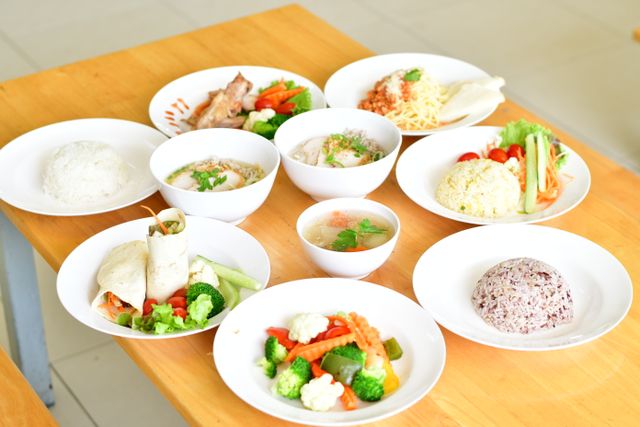
Don’t forget to make each meal well-rounded. The guide suggests a portion of protein, fiber-filled carbohydrates, a vegetable or fruit, and some fat as the basics. Meals in the guide range from chicken stir-fry with brown rice through veggie chili, grilled salmon with quinoa and broccoli, to lentil soup. Not complicated at all; nothing that would require a culinary degree to prepare.
Also, remember to plan leftovers. For example, those vegetables can be made into frittatas and wraps, while meat purchased on sale is frozen and used later – just like in September’s guide.
Start smaller than you think
It’s not necessary to change everything at once. It may be enough to start planning one dish per day. One hour should be scheduled for washing and cutting vegetables on Sunday; then you need to buy a couple of airtight containers, and as the habit takes root, buy a couple more.
In addition to saving money, you’ll also save energy. Deciding on a dinner in advance takes away the choice from the list of things you have to do during an already hectic evening, as the healthy eating guide reports based on the results of Harvard researchers.
And can such planning really save a person thousands of dollars? It’s difficult to give an exact figure here, but the logic itself does not contradict – planning the purchase of products and storing food correctly.
Let’s get back to the Thursday receipt. There are already roasted vegetables and rice in the refrigerator, and the app is closed.