LOS ANGELES, October 11, 2026 – When Marcus Vance looked at his utility dashboard at 4:15 PM on a scorching Tuesday, he was not seeing a surge in electricity consumption. What he was seeing was a profit.
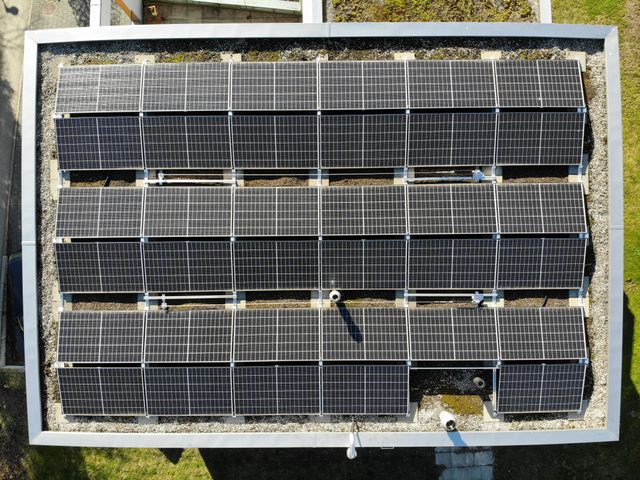
On top of his Pilsen two-flat, sixteen black silicon panels were harvesting the energy from the late afternoon sun, while a silent lithium-ion battery pack in his basement was sending electricity back into the grid. In Chicago, thousands of homeowners are doing the same thing—converting their passive residential rooftops into mini-power plants.
This is not happening by coincidence. The rapid evolution of local power grids and municipal planners is fueled by new state clean energy mandates and federal incentives.
Rather than depending only on large coal or natural gas plants located far away, the energy network in cities will now be decentralized. In order to implement the city’s plan for the “Smart Grid for a Smart Chicago,” the regional utilities have deployed millions of smart meters together with advanced software in substations. This technology enables the grid to interact in real time with each individual household by allowing two-way transmission of electricity and enabling citizens to participate in the dynamic hourly pricing plans that keep away from peak-hour rates.
But this is important as the old technology of power lines was designed just like one-way water pipes. Voltage surges may damage the local equipment if thousands of houses suddenly supply the electricity generated from their solar panels back into the grid.
But the true revolution is taking place in living rooms and garages. According to energy scientists at the University of Chicago Sustainability Dialogue, “networked household battery storage, smart thermostats, and rooftop photovoltaics” are being combined into “Virtual Power Plants” (VPPs). At times of peak demand – let’s say 5:00 PM when people turn on their air conditioners – the utility can siphon off a bit of stored power from all these households at once.
To ease entry for residents who lack the upfront capital, community coordinators point to initiatives like Retrofit Chicago, which provides free home energy assessments and low-cost financing options for clean energy upgrades.
“Lowering the barrier to entry is the only way this works at scale,” noted a local energy advocate during a neighborhood ward meeting. “If we only rely on early adopters, we leave behind the communities that stand to benefit most from reduced utility bills.”
Of course, the change doesn’t come without friction. The high upfront costs of installing rooftop solar continue to make it an unattractive option for many middle-class families, even with tax incentives covering nearly 30% of the cost of the system. Delays in permitting and shortages in the supply chain for smart inverters have kept some homeowners waiting months for their permits to start using their systems.
Then there’s the issue of fairness. Community advocates continually stress how the tenants of multi-unit brownstones could be left behind while suburban homeowners take advantage of net-metering credits.
But planners maintain that this is where things are headed. With smart grid technology identifying line faults in milliseconds and community batteries absorbing peak demand, the energy future of Chicago is showing that it is both green and decentralized.