LOS ANGELES, October 5, 2026 – Imagine a county board meeting held in rural Northern Virginia in the dead of night—a depiction of the scenario repeating itself throughout the nation as disgruntled citizens take their turn at the microphone to express their grievances regarding midnight noises, increased electricity costs, and backup generators built next to residential fences.
That local friction has grown into a major headache for tech giants.
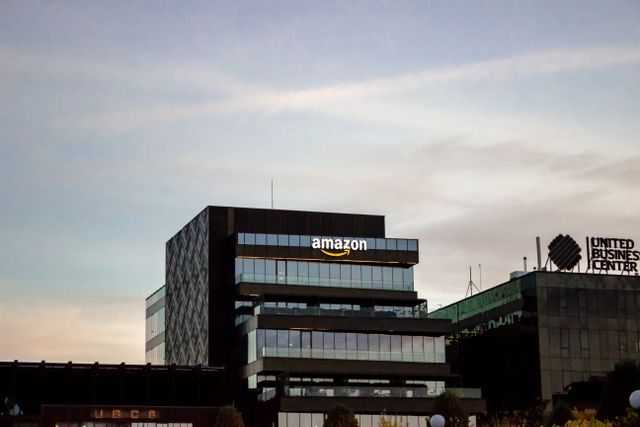
Facing stiff opposition that could derail the construction of its massive infrastructure expansion projects, Amazon Web Services announced its plan to invest over $1 billion within five years in the host U.S. communities under its new Built Together initiative. This is a well-timed response to the growing political backlash as Amazon continues to digitize the world.
Executives at Amazon noted that political pressure, including tough noise regulations and denial of rezoning permits, could put the U.S. in danger of losing its edge on artificial intelligence globally. The continued construction of the infrastructure required to provide the computing needed for next-generation AI platforms would not be possible without a constant stream.
These objections arise from general mistrust among the masses. There are now more than 100 moratoriums or restrictions on the creation of new data centers that have been introduced in different parts of the United States, but a recent national survey found that 63% of all Americans favored the introduction of a one-year moratorium on the construction of new AI data centers. Activist groups further emphasize the fact that although data centers offer long-term economic benefits, companies receive huge concessions – for instance, about $1 billion worth of tax incentives over 15 years for five Amazon facilities in Morrow County, Oregon.
Critics and watchdogs also bring up issues related to the use of local utilities and resources. With regard to the consumption of water, Amazon argues that on average a facility uses 13,000 gallons of water per day.
In order to mitigate some of the environmental and transparency issues, Amazon offered various concrete commitments along with its grants. Firstly, the company will stop signing the Non-Disclosure Agreements (NDAs) for information exchange with governmental agencies regarding its data centers’ projects in order to facilitate open public discussions. Secondly, Amazon plans to switch to lower-emission generators for new facilities, publish annual reports about energy and water usage at each facility level, and follow the White House program initiatives, which imply that technology companies support themselves by funding their energy needs and grid upgrades.
Nevertheless, community activists remain skeptical about the grants because money does not solve fundamental problems of regional water levels and a stable power grid.
This problem illustrates a general economic dilemma: on the one hand, data centers provide capital investments and construction jobs; on the other hand, they require large areas of land and a huge amount of power. The war front has moved from the boardroom to the local zoning commission, and it is unclear whether the Built Together program will succeed in easing people’s concerns.