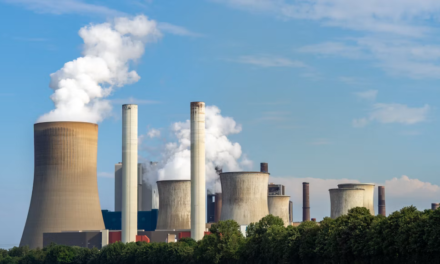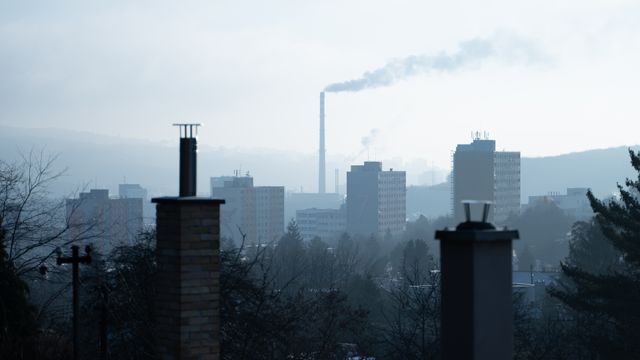
LOS ANGELES, September 8, 2026 – Elena Vance ventured out on her porch around 6:15 AM with her cup of coffee, only to witness a dull and familiar grey fog covering the horizon. It wasn’t fog; it smelt of the pungent diesel exhaust from the highway and the toxic runoff from the factories, located three miles down the valley. “Sometimes when you inhale deeply, you just feel like your lungs are tightening up immediately,” she grumbled as she pulled up her jacket.
Her story is not unique, however; it’s part of the everyday lives of millions of people around the world.
Seeing the mounting crisis, September 7 will witness the observance of the 7th UN International Day of Clean Air for Blue Skies. Organized by the UN Environment Programme and the Climate & Clean Air Coalition across the globe, the theme of this year centers around “Clean Air for Climate Action,” emphasizing an important point that’s usually missed by policymakers — air pollution and climate change are part of the same phenomenon.
It is curious how, even though we treat air pollution and global warming as two separate issues, the truth is that they are the result of similar polluters. Burning of fossil fuels, burning of waste, and agriculture not only release harmful greenhouse gases into the atmosphere but also generate harmful particulates. For instance, ground-level ozone, which is toxic to plants and crops, forms rapidly in high summer temperatures.
A flagship report published alongside this year’s observance—titled Hidden Assets: The Economic and Health Case for Climate and Clean Air Action—highlights that integrated pollution and climate policies don’t just save lives; they’re making sound financial sense. Implementing 25 targeted clean air measures could slash emissions dramatically while preventing millions of premature deaths globally each year and generate significant financial returns on investment.
In an official briefing accompanying the report, UNEP officials framed the issue directly: “Avoided health costs, productivity gains and reduced fiscal exposure to climate damages are economic objectives in their own right, and they are captured most fully when air quality and climate action are embedded together in national plans, fiscal frameworks and investment strategies.”
And the consequences on our health affect the most vulnerable communities the most. Exposure to toxic air causes heart disease, strokes, lung cancer, and chronic respiratory diseases. It hits low-income neighborhoods living near industrial areas hardest.
But solutions can be easily achieved. Cities globally are showing what works. They’re shifting to electric transit, enforcing tighter emissions rules, and curbing agricultural burning. Eliminating short-lived pollutants such as black carbon and methane brings immediate cooling effects and clears local skies at once.
It is not about our ability to fix the problem. It is about our willingness to fund the transition process.
As Inger Andersen, Executive Director of UNEP, emphasized during the launch: “Clean air is a key driver of development, health, food and energy security, and climate stability, an asset we must invest in.”