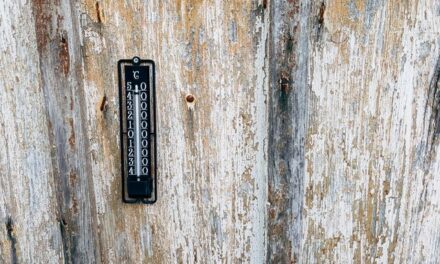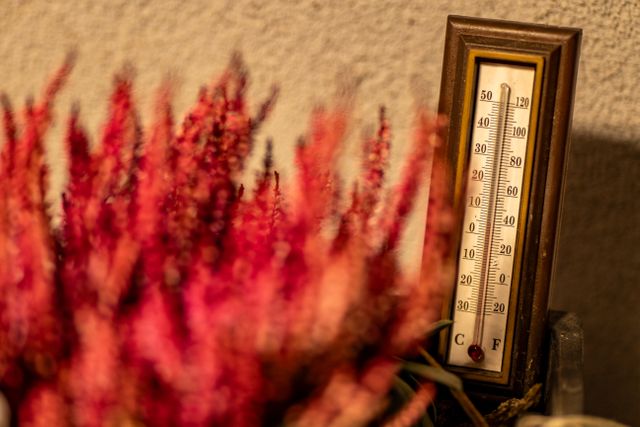
LOS ANGELES, August 30, 2026– The Southern California region is currently battling a harsh heat wave in late August, resulting in temperatures up to 20 degrees higher than normal for the time of year in inland towns. The meteorological community has issued excessive heat warnings and advisories in Los Angeles, Orange, Riverside, and San Bernardino counties, informing residents that the extreme weather is hazardous for developing heat-related problems and increased risks of wildfires.
Due to the high-pressure system affecting the Desert Southwest region, a heat trap has formed, and there does not appear to be any near-future relief in sight. In the inland valleys and low desert areas, mercury levels frequently cross over the three-figure barrier. Some of the most extreme weather conditions are being seen in the San Fernando Valley, the Santa Clarita Valley, and the Antelope Valley, where temperatures have climbed well into the hundreds of degrees. Even the coastal areas and downtown Los Angeles have felt the effects of this heat wave, which includes temperatures in the high eighties and nineties with high humidity. Official forecasts and heat advisories are actively monitored by the National Weather Service.
Local health professionals and emergency managers are currently working to encourage residents to protect themselves aggressively. The hot weather presents great dangers to some sections of the population, such as elderly people, young children, workers outdoors and people who do not have sufficient access to air conditioning. Local governments have reacted to this problem through extension of operation times for cooling facilities, community centers and libraries, which provide air-conditioned places of refuge to those at risk.
Residents are strongly encouraged to stay indoors in the hottest parts of the day, keep well hydrated using water instead of sugar-filled or alcoholic drinks and look out for friends or neighbors who are prone to suffering from heat stroke or exhaustion. Outdoor exercises and strenuous work activities should be done in the morning before the temperatures become dangerous. Emergency heat response protocols and public health recommendations are available through the Los Angeles County Department of Public Health.
Adding to this problem is the increased likelihood of wildfires being active in the Southland area. With extreme temperatures, extremely low relative humidity, and dry brush in the area, it makes for the perfect setting in which fires can easily break out and spread. The firefighters all over Los Angeles and surrounding counties have increased their staffing numbers and made sure that there is an extra team on standby to clear away the brush. Fire danger levels and emergency response updates are provided directly by the Los Angeles County Fire Department.
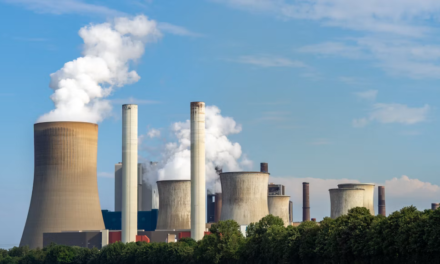
Grid operators are carefully watching the power demand as millions of homes and businesses rely on their air conditioners at the same time in order to handle the blazing weather. As power plants continue to operate under load, residents are being encouraged to reduce their energy usage voluntarily during high-demand afternoons and evenings by maintaining their thermostats at 78 degrees if it is safe, by not using large appliances, and by reducing unnecessary lighting.
According to weather forecasts, despite possible changes in temperature on the coastal side over the weekend, the heat wave will persist in the interior part of Southern California for the next few days. Meteorologists are constantly keeping track of the weather together with the local emergency agencies.