LOS ANGELES, September 25, 2026 – The threat came fast and fierce from the get-go. “I call on all nations to help to enforce the complete economic isolation of Iran,” President Donald Trump told the UN General Assembly on Tuesday, warning that Tehran must never obtain a nuclear weapon.
And then came the sharper edge. Faced with a choice, Trump said, he could either broker a deal that lets Iran “rebuild and create a far greater country than ever was before,” or “annihilate the Islamic republic and do it quickly.” No middle ground. No soft language. Just an ultimatum delivered from the world’s most visible diplomatic stage.
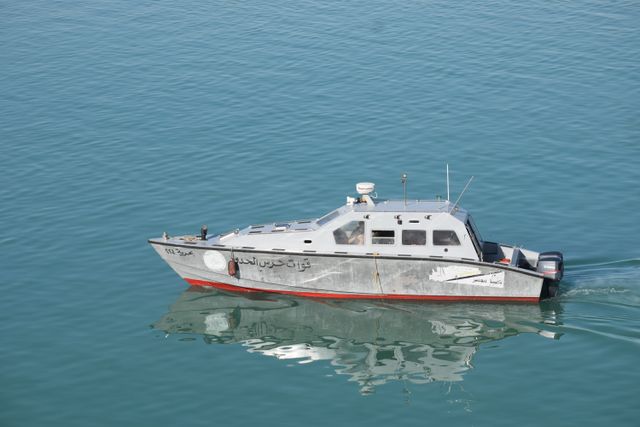
It’s the backdrop against which the speech was delivered. This was at a time when world energy prices were rising due to the ongoing dispute between the US and Iran and the disruptions at the Strait of Hormuz. Trump used isolationism as the solution for low energy prices. “If we stand united… oil prices will come plummeting down even lower than they were at the start of the conflict,” he said.
But no one thinks this is easy. As reported in the context of UN week coverage, Iran has indicated that it will allow the reopening of the Strait of Hormuz for the passage of Gulf ships within days of a lessening of American pressure and willingness to negotiate on a timetable. But no meeting between Trump and Iranian officials has been arranged during the week.
According to Trump, there is going to be diplomacy once America’s mid-term elections have taken place on November 3rd. “They’re waiting to see how I do in the midterm election,” he said of Iran’s leadership. “What they don’t realise is that I’m not running… The only thing that does is that Iran will never have a nuclear weapon.”
Marco Rubio, the State Secretary, on the other hand, left the door half-closed. Washington is always open to negotiations provided that there is a “positive outcome,” he added, repeating an oft-used line by the administration about negotiations under threat of attack.
The speech also reiterated several past complaints. Trump referred to Iran as “the number one sponsor of terror,” and linked its actions in the region to the attacks in Israel on October 7, stating that it is three years since that event happened, and that it’s just two weeks away. He blamed Iran for murdering tens of thousands of its people in the current year and for building a nuclear shield of terror.
It was bellicose, sure. But also calibrated. Trump denied claims the U.S. is short on munitions—“we have more munitions than we could ever possibly even think of using”—and praised the UN Security Council for its condemnation of Iranian attacks in the Straits of Hormuz. The message: pressure works, and the U.S. is not backing down.
The arithmetic is clear for the Gulf states. They want the Straits open and oil flowing while keeping things from spiralling out of control. As such, meetings between President Trump and Gulf state leaders were planned in New York during the UN high-level week.
But wait, there’s more. The Iranian condition in their offer. An Iranian official said to reporters that Iran would reopen the Strait in seven days if the United States accedes to its demands, which include a statement from Washington that it wants to resolve this issue diplomatically and a timeline for the discussions.
What does all this mean for us? It means that we have a public ultimatum, a secret line running through mediators, and a deadline of November. If the United States backs off and gives a timeline, the Strait will be reopened soon. Otherwise, the standoff continues.
Other issues raised by Trump in his wider UN address included superintelligence (AI), Greenland military bases with Denmark, Cuba being “an absolutely failed state”, and a Venezuelan oil deal following the arrest of Maduro. However, the Iranian threat was the main topic, along with the toughest message – isolate today, negotiate tomorrow or get annihilated.
The complete speech and videos are available via the U.S. Mission to the UN website, while more coverage of the speech is available on leading websites covering the General Assembly. For investors and allies looking into the Strait, actions speak louder than words.