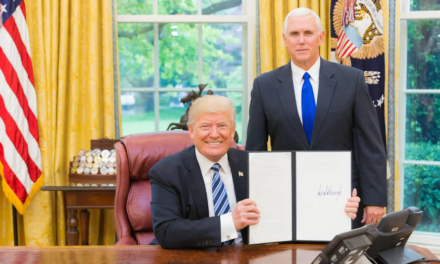
LOS ANGELES, California, September 29, 2026 — Mesabi Metallics will construct an approximately $15 billion steel plant in eastern Iowa, President Donald Trump announced Monday. The project, being developed by India’s Essar Group, would be among the largest steelworks in the United States. Accompanied at the Oval Office by Iowa Republicans and cabinet members, Trump made the announcement.
The Scale of the Investment
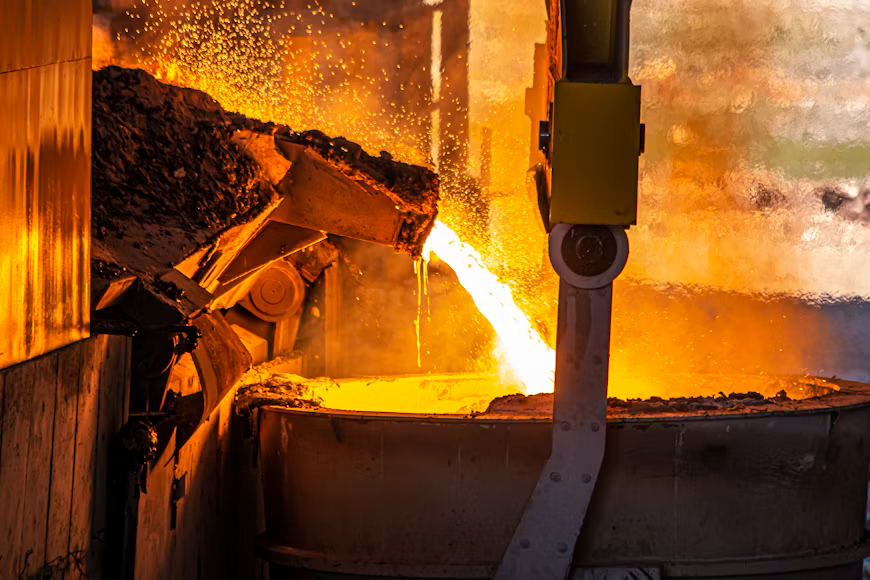
The project reached $15 billion in funding commitments from Essar Group to set up the plant over roughly a decade. Once completed, the facility is expected to produce as much as 10 million tons of steel each year. Its initial phase alone is slated to yield around 7.5 million tons annually.
Trump attributed the project to his imposition of 50% tariffs on steel imports. Domestic steelmakers had pushed the administration to maintain those tariffs, stating they spurred tens of billions in new investment across the country. Officials noted that federal trade policy was the direct catalyst for luring the plant to Iowa.
The Iron Ore: Where Will It Come From?
The iron ore will be sourced from an extraction site in Minnesota that Mesabi Metallics operates, which opened earlier this month. That mine is located on Minnesota’s Iron Range and carries a $2.5 billion price tag in its own right. It marks a roughly fifty-year wait for the first new iron ore mine built in the United States.
Once operational, ore from the mine will be transported down the Mississippi River to the Iowa plant. Officials pointed out that the supply chain consists entirely of domestic operations — from mining to finished goods. This framing aligns with administration directives to minimize reliance on foreign steel imports.
Jobs and Political Stakes
Once operational in 2030, the plant will create approximately 1,750 permanent jobs. Construction itself could generate another 6,000 jobs during the building phase. Local Republican lawmakers joined Trump for the announcement, framing the project in terms of major economic development for the state.
Iowa is seen as an important political battleground for Republicans ahead of the upcoming elections. Trump indicated he will return to the state soon to campaign in the lead-up to Election Day. State lawmakers in Iowa have been informed they may need a special legislative session to consider state economic development incentives for the firm.
Reaction From the Steel Industry
The announcement drew immediate support for maintaining tariffs from steel trade groups. In a letter sent prior to the Iowa announcement, multiple trade groups cited tariffs as having spurred $47 billion in announced and ongoing steel investments across the country. They asked the administration not to scale back on the policy, claiming it could endanger ongoing progress.
However, not every reaction to the steel policy has been uniformly positive this year, with some critics questioning the rigid domestic sourcing approach. Nevertheless, the Iowa announcement provides a tangible project for the administration to point to heading into midterms. As the plant begins construction, whether it meets its production target of 2030 will remain a subject of close observation.
Democratic leaders in Iowa have sounded a more cautious note, emphasizing that construction has not yet started and that timelines for large industrial projects frequently slide. The facility will not start producing for over half a decade, leaving plenty of time for potential delays and scope changes. Republican supporters argue that the sheer scale of the investment demonstrates genuine intent on behalf of Essar Group.
Should the project move forward as planned, local economic development officials say it may help reshape southeast Iowa’s job market. High-paying positions could represent a significant shift for a region that has not traditionally hosted heavy industrial operations of this scale. As with all major announcements, workforce growth will bring housing and infrastructure needs that community leaders are already beginning to discuss.
The announcement also bolsters steel’s status as a political barometer linked to domestic manufacturing and tariff policy. Trump has often framed steel production as a national security issue rather than purely an economic one. The administration is likely to continue framing U.S. trade policy discussions in that light through the elections in November.