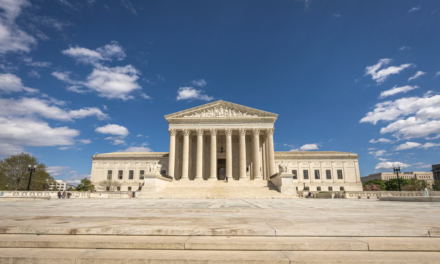
LOS ANGELES, November 8, 2026 – These midterms were about more than a party victory. These elections granted Congress a mandate — and a responsibility — to step up against an executive branch that too often sees constitutional constraints as an inconvenience.
Democrats have won the House and the Senate, taking seven seats in the Senate and more than two dozen seats in the House, according to election coverage. This is not a blank check for one party. This is a reminder that the United States should have brakes on its government.
What voters actually said
The voters were not supporting all Democratic policies. They were reacting to an environment that felt costly, unstable, and more and more dictated by fiat. The success of the party was fueled by the frustration at high costs, corruption, and the course of the government.
One reader, Pamela from Virginia, put the mood bluntly: she felt there was “only one viable party for any national office.” Another reader, Barbara Burkart of Massachusetts, described herself as “thrilled, scared but hopeful,” while worrying that real change would require centrists and progressives to work together rather than merely celebrate a win.
That blend of relief and skepticism is a good thing. A Congress that confuses an election with a mandate to stop checking itself will make the same mistake the voters have just penalized it for.
Congress has real tools
Subpoenaing administration officials, investigating the spending and policy-making process, blocking and amending legislation, and shaping the appropriation process for the year are some of the new majority’s powers. These are not just symbolic powers. These are real constitutional mechanisms that will make sure the president does not govern like Congress was an onlooker.
Democrats can also slow down the administration’s program through oversight in committees and through denying approval to the nominations of the administration and its budget requests. But simply legislating around the president’s veto is not an option. Legislation requires Republican support, and President Trump is still in office.
So the issue here is not whether Democrats are able to pass an ambitious ideological program. It is about using their institutional power prudently – investigating abuses but not turning every hearing into a spectacle, negotiating where possible, and upholding the democratic rules of the game.
The danger of overreach
Here’s the uncomfortable part: Checks on executive power cannot be a favour for partisans. These are constitutional duties. If the Democrats continue using oversight as a tool of warfare against their enemies, they will undermine the very norms they want to uphold.
A more sensible standard is easy. Does the subpoena, investigation, or funding requirement serve the public good, follow the letter of the law, and respond to an abuse of power? Then carry on. Otherwise, it will be recognized for what it is—revenge by any other name.
The elections have given Congress some bargaining chips. Whether it results in a genuine check on executive power or yet another round of political theater, remains to be seen.