LOS ANGELES, California, August 20, 2026 — The fierce battle over Washington’s premier cultural monument is headed back to federal court. Representative Joyce Beatty, a Democratic member of the Kennedy Center’s board, filed an urgent legal motion Tuesday asking a judge to halt plans to carve Donald Trump’s name onto the building’s iconic marble exterior. The filing comes just months after a federal judge ordered similar temporary signage removed, following an August board vote that approved the controversial inscription by a 20-3 margin.
What the Board Approved
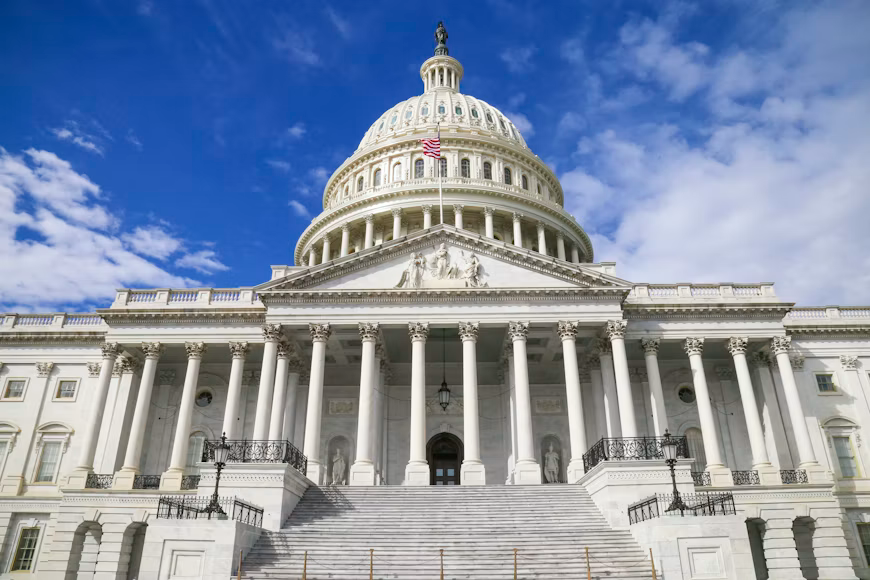
Under the approved proposal, stonecutters would carve the words “Renovated and Restored by President Donald J. Trump” directly below the institution’s official name, while renaming the grand entrance space “President Donald J. Trump Plaza.” The board also reaffirmed plans to shut down the center completely for two full years to execute extensive facility overhauls.
Beatty minced no words in her new court filing, labeling the board’s vote a display of “blatant defiance” against an existing judicial order. Back in May, a federal court ruled that only Congress holds the statutory authority to rename or alter the federally chartered performing arts hall. Ever since appointing himself board chairman at the start of his second term, Trump has steadily stacked the institution’s governing body with loyal allies.
A Timeline of Legal Fights
This high-profile legal dispute has been brewing since December 2025, when Beatty first sued after initial board discussions surfaced. While her legal team scored a major victory in June—forcing crew members to hastily remove physical signage from the facade—the board’s August vote effectively reopened the exact same battle.
Lawyers representing the Kennedy Center informed the court that workers will not begin carving the marble facade until after September 8, granting U.S. District Judge Christopher Cooper a tight window to review the case. Beatty’s legal team cautioned that irreversible damage may have already been done, arguing that earlier abrasive polishing techniques ruined portions of the building’s historic stone finish.
Fallout at the Symphony
Beyond the courtroom, the governance turmoil is taking a heavy toll on the center’s flagship performing groups. The National Symphony Orchestra recently announced it will scatter its upcoming performance season across six alternative venues. Leadership from multiple arts organizations point to mounting financial losses tied to a widespread ticket-buyer and artist boycott of the center.
A growing list of prominent performers have outright refused to take the stage under the current board’s leadership, triggering a steep drop in box-office revenue across multiple series. Because center officials have kept detailed financial figures under wraps ahead of the planned closure, artists and donors are growing increasingly anxious about the institution’s long-term viability.
Where the Fight Stands
Judge Cooper has yet to set a formal date for the injunction hearing, leaving the immediate future of the monument hanging in the balance. Board defenders defend the proposed inscription as a well-deserved tribute to an administration that “saved the center from the brink of disaster,” while Beatty vows to exhaust every legal avenue to protect the national landmark.
Meanwhile, independent historic preservation groups have launched separate lawsuits over unauthorized structural modifications made during preliminary construction. Until federal judges issue a definitive ruling, the building’s white marble exterior will remain free of any new presidential branding.
When Congress created the Kennedy Center in 1958, it explicitly designated the complex as a “living memorial” to President John F. Kennedy. Legal experts note the founding statute gives the board zero authority over the building’s identity. What started as a dispute over building signage has ballooned into a dramatic tug-of-war over control of America’s most prominent cultural stage.