LOS ANGELES, September 24, 2026 – The average cost of diesel throughout the United States has gone beyond the mark of $6.50 per gallon. The rising cost of fuel has caused an economic impact on the trucking, agriculture, and industrial logistics industries. As midterm elections draw near, the calls for reducing fuel costs are gaining momentum in Washington.
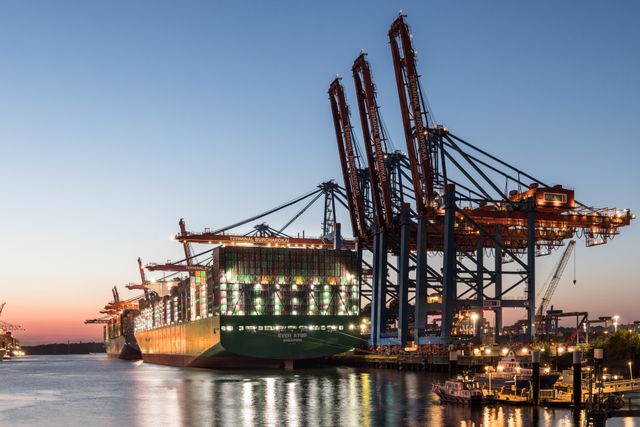
This issue came to its peak as a series of reports were released detailing the measures that may be taken by the government to limit fuel exports. The idea being discussed within the government administration was to ban the export of American diesel for 90 days. Those supporting this measure claim that it would force the energy companies to keep the fuel domestically and reduce the cost.
President Donald Trump voiced personal support for restricting energy shipments, publicly telling reporters, “I’ve said, ‘Let’s not send out the diesel.’ We make a lot of diesel… I’ve called for it within my people.”
However, the administration has been torn in half on whether the policy is feasible. The Energy Secretary Chris Wright, Treasury Secretary Scott Bessent, and Interior Secretary Doug Burgum are among those who reject the idea of an outright ban. Speaking at an industry event in New York, Secretary Wright cautioned that “the blunt tool of banning diesel exports definitely doesn’t work.” He explained that if domestic refineries are restricted from exporting excess diesel, regional storage limits would soon force producers to curtail overall refining output. That reduction in refining activity could paradoxically reduce supplies and drive up prices for gasoline and jet fuel.
After receiving reports concerning possible plans for an export policy, the executive branch promptly provided clarification on the position of the government. The spokesperson from the White House explicitly stated that there is no preparation for any 90-day embargo program, thus calling previous media reports erroneous. However, the government highlighted that negotiations take place between the government and refiners within the US to increase domestic inventories without any market constraints.
The dramatic increase in energy prices for energy is primarily caused by the market situation worldwide, not within the country itself. Current military conflicts in the Middle East and bombings of Russian refineries greatly reduce the international stock of distillates. The US energy industry is trying to fill the gap in the market, which creates a connection between domestic and foreign market demand.
While evaluating whether short-term relief or market stability is more important, traders and shipping companies keep a close eye on Washington’s actions in response to growing prices for consumers.