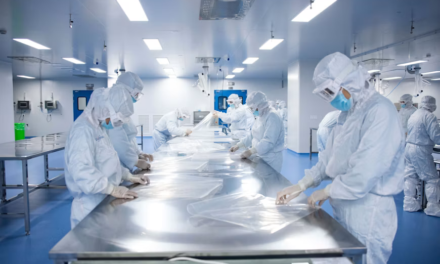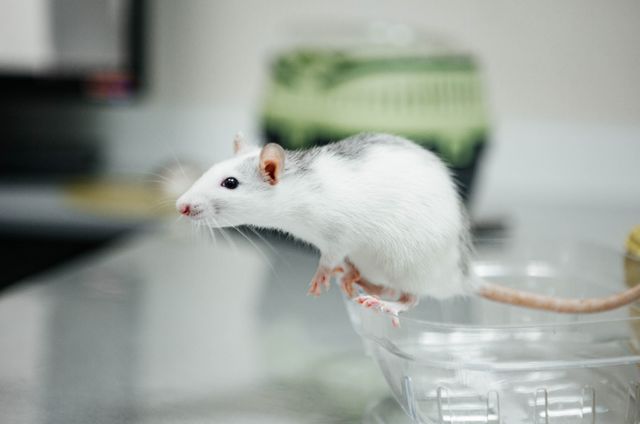
LOS ANGELES, September 23, 2026 – Inside a brightly lit laboratory in East Palo Alto, there’s a small transparent plastic chip not bigger than a thumb drive, where fluids circulate within. Within it are tiny, living human liver cells. It used to take a few dozen beagle dogs or laboratory mice to test if the experimental compound would be lethal to a human liver. Now, it takes this microfluidic “organ-on-a-chip” just a few hours – without even the need for a cage.
It’s about time that the federal government catches up with what the researchers in California biotech clusters have long been aware of: animal models frequently cannot predict how the human body reacts to the drugs.
The FDA has released a final rule to officially strip away from the language of regulations rigid terms such as “animal studies” and “animal testing”. The new term? “Nonclinical studies” and “nonclinical tests”.
However, despite the apparent bureaucratic nature of the move, it in fact paves the way to allow for cutting-edge testing methods.
With the new guidelines, pharmaceutical researchers are allowed to present safety information from organoid technologies, sophisticated human cell systems, artificial intelligence systems, and organs-on-chips in order to advance their products into clinical testing. This guideline harmonizes FDA guidelines with its authority granted by the Food and Drug Omnibus Reform Act.
“Our goal isn’t to replace one rigid approach with another,” explained Acting FDA Commissioner Kyle Diamantas. “It’s to support rigorous, modern science—including animal studies when they remain appropriate and validated alternatives when they can provide the evidence needed to protect patients.”
This is critical as drug discovery has now reached a very costly dead end. Around 9 out of every 10 drugs that manage to make it through animal studies fail dismally when put into clinical trials in humans, due to unforeseen toxic reactions or ineffectiveness. Primates and rodents don’t mimic human metabolic processes very accurately.
As a way of assisting firms to make this change, the FDA also came up with a public database of 25 actual cases in which non-animal approaches have been applied.
Yet, opinions across the biopharma landscape remain predictably mixed.
Both patient advocacy groups and bioengineers hail the revision as a triumph of overdue human-relevant research. On the other hand, some traditional contract research organizations are being cautious. The validation of whether a chip or an algorithm is as credible as mammalian testing carried out over many years is quite costly.
Laboratory cages for animals will not be removed overnight. However, as organoids and predictive machine learning models demonstrate their effectiveness, the pharmaceutical industry is starting to take baby steps towards a time when human medication will be tested on human biology from the very beginning.