LOS ANGELES, California, August 7, 2026 — Protein has officially had its moment. This year, Los Angeles kitchens are clearing counter space for something far crunchier: fiber.
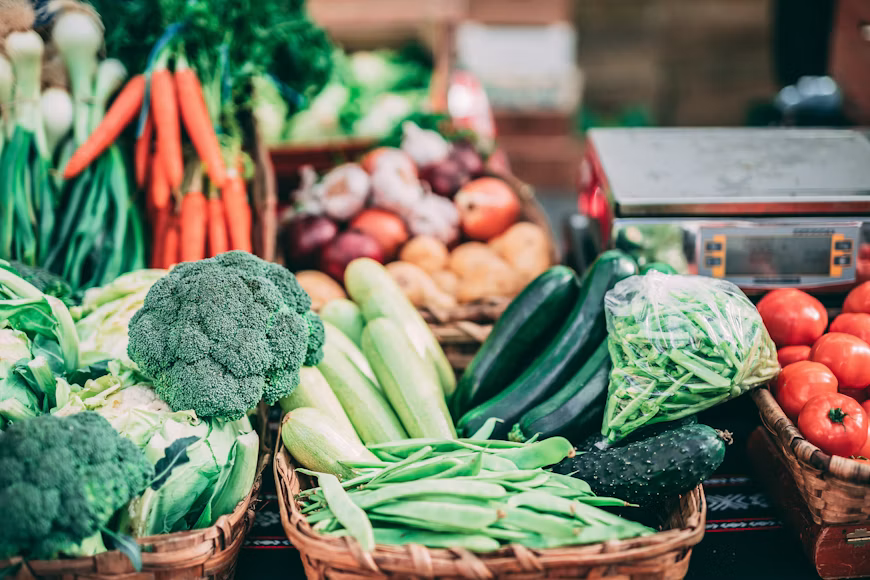
Dubbed “fibermaxxing”—the practice of packing plates with high-fiber powerhouses like white beans, lentils, artichokes, and bitter greens—the movement has quietly become one of the city’s defining food shifts in 2026. You will spot it everywhere right now: taking over dinner menus at spots like The Cambridge, taking over direct-to-consumer snack aisles, and filling up gut-health feeds on social media.
Yet beneath the trend-setting hashtags, it is fundamentally a dietary gap that is being filled by both science, and savvy marketing. According to nutrition researcher Dr. Crystal Wiley, the majority of Americans simply don’t eat enough fiber, which national health data show that only 7% of adults actually meet their recommended daily intake of. With a modern plate in mind it is easy to see how fast, with an ever shifting public interest towards blood sugar stability, gut microbiomes and the metabolic health, that fiber became the “Unsung Hero”.
But industry insiders see a clear evolution in the works. According to Murphy Richter, a nutrition consultant, “As consumers start to understand the gut-metabolic link, we are actually seeing a real shift away from total fiber quantity to fiber diversity.
It’s a transition even the largest food companies have taken note of. Executives at major companies including PepsiCo and McDonald’s have gone so far as to flag fiber as the key ingredient story of the decade alongside protein in recent earnings calls. That corporate momentum is in turn percolating into neighborhood kitchens in L.A., where chefs are experimenting with how to fit more fiber-rich whole foods into handmade pastas, house-made sodas, and savory small plates without feeling prescription-like at the dinner table.
Meanwhile, dining room trends around LA are taking shape—in more ways than one. As GLP-1 weight-loss drugs became widely available, restaurants in the neighborhood are dealing with an influx of diners still going out to eat, but in many cases eating a lot less. It forces venues to action smaller, flexible formats. The fast-casual spots are trying it too; Del Taco just introduced a $2.99 “Micro Meal” composed of two mini burritos, a handful of fries and one donut-bite, all of which are designed with the light eater in mind.
Not that everyone sees the fiber boom through rose-colored glasses, of course. But public health experts warn that the benefits of high-fiber eating only hold when that fiber comes from real, whole foods—like legumes, seeds and fresh produce instead of synthetic supplements or ultra-processed snacks engineered for nothing more than padding a nutrition label.
But researchers at the Johns Hopkins Center for a Livable Future have argued that focusing on these heavily processed “fortified” products entirely misses the point when it comes to gut health and they urge consumers to base their diets around minimally processed plants that are naturally high in fiber.
That very tension—between real nourished-your-body nutrition and grab-and-go trend packaging—is taking place across LA’s restaurant landscape as fibermaxxing finds itself face-to-face with other contemporary food movements. The fiber push has been compared locally to “cabbage-core,” a fascination with the unassuming, cheap brassica to be a versatile workhorse in food. Combined with a general move to fewer, smaller, more casual dining spaces and a simplified and lower-cost menus, it feels as though dining out in the city is becoming more personally personalized.
With fibermaxxing still firmly in the viral hype cycle, only time will tell whether it has staying power. Nutritionists will always warn you against ramping up your fiber the night before with some bran bites or supplements, gradually, slow and steady is the name of the game, always with water. However, with significant consumer brands heavily investing in the trend and LA chefs energetically reworking their menus around it, fiber is truly poised to provide a lasting home on plates in the city long after the novelty on the internet wears off.
For local kitchen crews, however, the true stickiness isn’t the science but making fiber-heavy dishes craveable versus the dietary chore. It is the challenge articulated well here, and when done properly, guides cooks into vibrant, whole food categories that trumpet flavor first, like expensively charred artichoke hearts, slow braised lentils, or hotly roasted brassicas. Whether the movement has legs will come down to how the trend plays out once the trend dies down: will diners return for the flavor after the “fibermaxxing” buzz fades?
Featured Photo by Inego De La Maza, Unsplash