LOS ANGELES, September 21, 2026 – Anxious eyes stared fixedly at the confirmation screen. Lucas had just locked in his interview slot at the U.S. embassy, closing out three gruelling weeks of gathering paperwork.
The journey into the U.S. B1/B2 tourist visa process can easily resemble wandering through a complex labyrinth. If your goal is to be at the upcoming tech conference in San Jose or to spend time with relatives in Chicago, getting the stamp in your passport requires close adherence to the necessary details. As the official policy guidelines provided by the U.S. Department of State Travel Site reveal, there are many restrictions on nonimmigrant travel and financial planning advice stresses the importance of correct documentation and proof of funds.
Always, your journey starts the same way – from the Form DS-160 page. This detailed online form is to be completed through the Consular Electronic Application Center. You’ll have to provide information related to your work experience, education, travel plan, and security statements. Everything counts tremendously on this page. A minor mistake such as a typographical error in your passport number or birth date can create a serious problem for you in the future. Remember to save your completed form after each section and print out the confirmation page with the unique barcode.
Finally, there is the payment issue. The standard processing fee for the Machine Readable Visa is $185. There are different methods of payment depending on where you live – you can use your bank for online money transfer or pay in local cash centers. Remember the transaction number, as you will not be able to make an appointment with the consulate without it.
Making sure that your dates are scheduled properly will mean setting up two different appointments, and this is where practicalities become painfully apparent. Firstly, you have to pay a visit to a Visa Application Center where your biometrics (fingerprints and digital photo) will be taken by their staff. Your second appointment will happen at the consulate or embassy itself, when you’ll have a face-to-face interview there. Of course, the wait times vary widely depending on the location: while the biometric appointment is usually possible in about two weeks, getting an interview at a consulate in some of the busiest locations may take up to one month in London and up to nine months in Frankfurt.
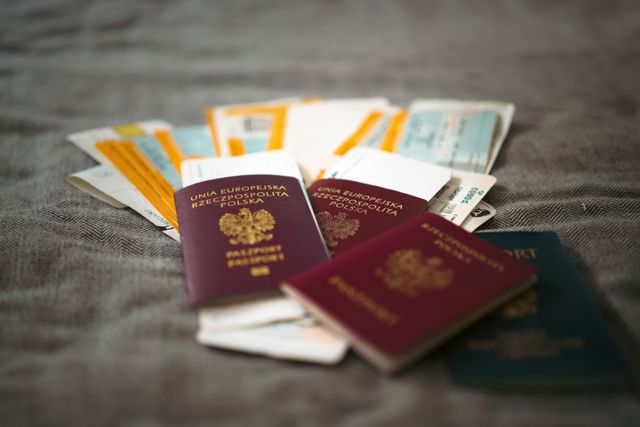
Preparation on the day of the interview is extremely important. Make sure you have your valid passport, previous travel documents, confirmation printout of your DS-160 form, and appointment letters. Also make sure that you have very good proof of your close ties with your home country. Bank statements, property documents, tax records, and leave letters from work prove this point.
The consular interview process is very quick, sometimes taking less than five minutes. The officer will determine whether your visit is genuine, whether your financial standing is strong, and whether your connections at home have stayed strong. Be straightforward in your answers and tell the truth. In case of approval, your passport will be sent back to you via courier service, with your visa included. In case of denial based on 214(b), then it’s a clear signal for you to get stronger connections at home before reapplying.
Planning thoroughly, keeping your documents organized, and staying calm during the interview remain your absolute best strategies for visa success.