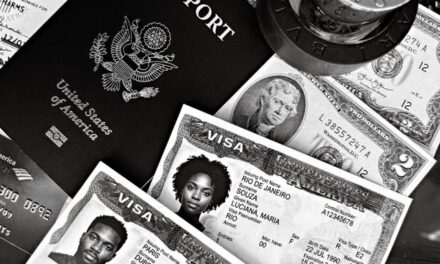
LOS ANGELES, October 23, 2026 – Since President Donald Trump was sworn back into office in January 2025, there have been over 300,000 revocations of visas for the United States, revealed in an official White House report issued on Oct. 20 and confirmed by the State Department. This is a huge increase when compared to the 175,000 revocations reported in August.
State Department spokesman Tommy Pigott didn’t hedge. “With over 300,000 revocations, the Trump administration has revoked more visas at a faster pace than any administration in history,” he said, adding that the government has “zero tolerance” for visa holders who break the law, commit fraud or threaten national security.
However, the actual number requires some explanation. No comprehensive data has been provided with regard to the breakdown according to nationality, type of visa or cause. In other words, while the number itself is official, the whole story behind it is yet untold.
What we know so far
There have been several categories identified by the White House. More than 4,000 visas have been revoked based on what the White House called “birth tourism,” which refers to travel to the United States in order to give birth and secure citizenship for the child born.
In addition, 6,000 visas for students have also been revoked from foreign nationals who have been convicted of crimes and have ties to terrorism. Since its establishment in August, the Birth Tourism Prevention Task Force formed by the administration has revoked over 700 visas issued to Chinese nationals.
This constitutes just a small percentage of the total number. Other reasons for revocation include criminal activity, immigration problems, fraud, misrepresentation and other national security concerns.
How the pace changed
The three-week window made a difference. Over the period from the last week of September through Oct. 20, the department boosted its publicly announced figure by an estimated 50,000 revocations.
According to officials, the spike has been explained as continuing vetting procedures: continued background checks, additional social media checks and increased vetting for compliance with visa usage. The visa, as Pigott explained, “is a privilege and not a right.”
The effects go beyond those who have been accused of crimes. The visa revocation precludes its use in future entry into the country, regardless of whether its expiration date has arrived. Visa revocation doesn’t constitute deportation, and the individual might have another matter of immigration status to settle in the meantime.
Birth tourism crackdown
Stopping the birth tourism phenomenon has been one of the major enforcement priorities of the administration. Two executive orders signed by Trump back in August were designed to limit and revoke some visas in certain cases of birth tourism.
The State Department also opened an online reporting system on September 23 for cases of visa fraud and abuse. On September 28, 27 current and former officials from Latin America, as well as their family members, had their visas revoked because of charges of corruption.
However, civil rights activists are concerned that the expanded screening involves issues of political expression and social media activity. This is quite understandable, since the government publications don’t provide full information about the number of visas revoked for such reasons.
A larger review looms
It might not be the end of the story. The administration has been working on a review of B-1 and B-2 visas granted from 2016 through 2026 to those who have subsequently applied for asylum, an estimated group of up to 200,000 individuals.
The Deputy Secretary of State, Christopher Landau, has stated that asylum should only serve as protection for persecuted people, but not as a way around immigration law. Whether such a review has already led to the aforementioned number of revocations is unknown; the Oct. 20 report doesn’t mention anything like that.
The lesson for travelers is obvious: a visa stamp in your passport is not a guaranteed deal. It’s easily revoked before its expiration.