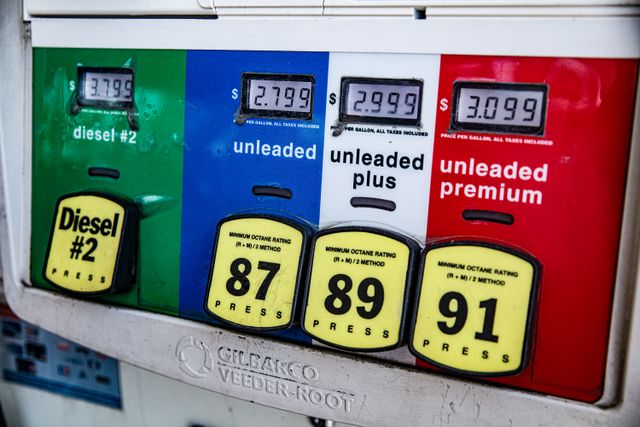
LOS ANGELES, September 7, 2026 — At the gates of the Port of Los Angeles at about 6:15 AM on Friday morning, independent rig driver Hector Morales gazed at the digital reading on the pump at a truck stop close to Wilmington. The price had risen above $7.70 a gallon, and all he could do was shake his head. Two years ago, it used to mean that refuelling his 200-gallon rig took a bite out of his earnings for the week, but now, it eats up the majority of his earnings before he starts driving through the Inland Empire.
And this is important since the record rise in fuel prices is affecting the vital gears of Southern California’s immense logistics system just as the busiest period for shipping begins.
A harsh synergy of limited global capacity in refining, oil price fluctuations, and geopolitical tension is responsible for driving prices for energy to unexplored heights. Whereas the national average of diesel prices hit a record of $5.85 a gallon, state-level pricing models and environmental requirements drive California diesel up to as high as $7.71 a gallon. The unexpected surge came as a surprise to freight logistics coordinators in the San Pedro Bay port complex, where around half of the 1,200 active motor carriers belong to small- to mid-size fleets unable to digest the shock.
Here’s the rub: freight operators cannot simply swallow these expenses forever.
Whereas large-scale shippers generally have fixed fuel surcharges based on the federal indices, the independent drayage carriers who transfer the container loads from the docks to the giant storage facilities in San Bernardino and Riverside are feeling the pressure firsthand. Drivers are opting to park their trucks as opposed to operating at a loss, an approach that is quite dangerous and is creating a bottleneck at the local yards. Regional fleet managers confirm increased fuel bills, from a cost of $1,200 just a couple of months ago to $1,800 or even higher.
It is becoming increasingly difficult for the independent drivers to cope with the overhead costs that are rising at a rapid pace. Independent operators have the misconception that short-term surcharges can effectively cover the wholesale price spikes.
The problem with the current crisis is that it is not just limited to the trucking of goods via long-distance diesel-powered trucks. The general rise in the cost of energy has led to problems in overheads because large distribution centers spread throughout Chino and Ontario require constant power for their air conditioning and sorting facilities.
According to industry trends monitored by the U.S. Bureau of Transportation Statistics, the effects of the cost escalation within the supply chain are spreading at an increasingly rapid pace. From agricultural products shipped from the Central Valley to consumer electronics waiting at maritime facilities logged by the Port of Los Angeles, rising transportation costs have added further to existing costs within the supply chain.
No one knows when the respite will come for the wholesale business. Consumers and retailers need to prepare themselves for the eventual effect as holiday inventory moves down the more costly supply chain.