LOS ANGELES, California, October 30, 2026 — Smartphone companies are making big bets on AI (Artificial Intelligence) to attract customers in 2026, despite a large percentage of consumers stating they prefer simple functions such as long battery life. In addition to being equipped with AI-powered functions for photography, translation, and everyday organization, the latest top-of-the-line smartphones from Samsung, Apple and other leading manufacturers also feature improved privacy controls which has become an unforeseen selling point for 2026.
AI Takes Center Stage, With Mixed Reception
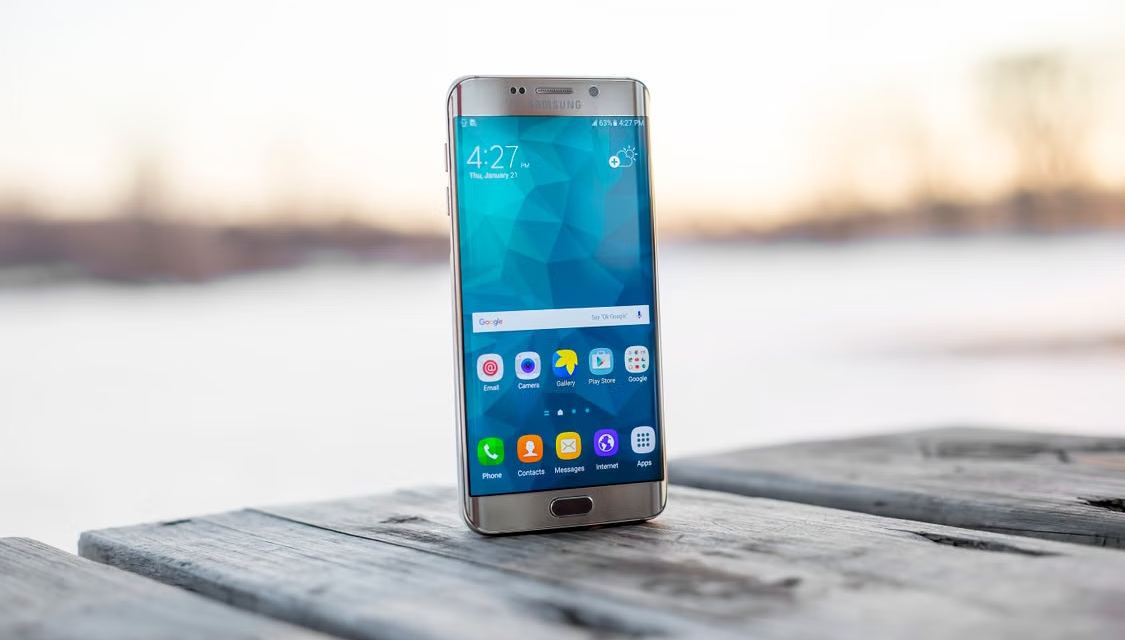
Samsung’s new Galaxy S26 line is heavily dependent on AI for workflow automation, camera image processing, and smart assistant capabilities. However, Samsung itself has stated that the number one issue for customers is still battery life and not the performance of AI. Similarly, experts in the industry believe there are several examples of companies advertising their use of AI when most customers do not even want it.
The majority of reviewers and analysts reviewing device launches for the past 12 months have expressed doubt regarding how much real-world benefit is provided by various forms of artificial intelligence integration. Many are describing today’s AI integrations as being more of a marketing ploy than a significant upgrade. Regardless of their skepticism, most major manufacturers continue to develop and implement new AI features in areas such as camera applications, keyboard inputs, and voice recognition systems.
Battery Life Remains the Top Priority
Surveys continue to report that battery anxiety is a major frustration for smartphone users. In response to this, manufacturers are creating “adaptive” batteries which use artificial intelligence to determine when users will be using their devices and how much power those devices will need during that time. Samsung increased the battery capacity of the Galaxy S26 base model by 300 mAh (milliamp hours) in response to customer complaints about the device’s poor battery performance.
According to industry research, consumer concerns about their devices’ battery life have had a noticeable effect on what they purchase. In addition to being frustrated with how long it takes to charge their devices, a substantial percentage of young adults said in one survey that these frustrations had affected their daily schedules. Device makers are addressing these issues by promoting adaptive power features and all-day battery performance more heavily than ever before. To many consumers today, the amount of battery power available to them in terms of milliampere-hours (mAh) is a more important factor when making a purchase decision than the device’s potential use of artificial intelligence (AI).
Privacy Emerges as a New Differentiator
Samsung added a built-in privacy display to the Galaxy S26 Ultra so people watching you use your phone wouldn’t be able to see what was on the screen while you were in a public place. Manufacturers are now competing on data security as well as specs. On-device AI processing — processing that occurs within the device instead of sending the data to the cloud — is becoming a big selling point for many different brands.
As per security professionals, as consumers become more aware of how companies collect data from them on their smartphones, they are increasingly considering privacy as an important consideration when buying a phone. Manufacturers have taken notice of this and have responded by making it easier for users to understand how their data is handled and by providing more user-friendly privacy controls within the OS. This is part of a larger trend where consumers want control over their personal information and is not limited to just security concerns.
What This Means for Buyers
The most significant areas of competition for smartphone manufacturers are anticipated to be artificial intelligence, battery life and user privacy for the remainder of 2018. Due to the high cost of components that process AI functions, prices for products in numerous categories have increased. Additionally, a global memory chip shortage caused by increased demand for AI, is predicted to lead to an increase in smartphone prices of up to 14% in 2018, according to research firms.
Experts advise consumers who plan to purchase a phone this holiday season to weigh the advantages of improved daily-use features (e.g., better battery life, improved camera) against the benefits offered by AI technology that is currently being developed. Many of the AI technologies being promoted by manufacturers are not yet capable of providing a significant improvement in the daily lives of most users. As the smartphone industry develops, consumers who can see beyond the hype surrounding AI technology will likely find the greatest amount of value in phones that provide a balance among these three areas rather than prioritizing AI above everything else.
In addition, there is a forecast that overall smartphone shipments will be significantly lower than they were last year. This is primarily due to the increased cost of components needed to support AI hardware. As such, the shortage is predicted to have the greatest impact on low-end and mid-range Android phones. Therefore, consumers who are looking for a cheaper option may have fewer options available to them. Despite the larger economic factors affecting the cell phone industry, both high-end flagship devices (i.e., iPhones and Galaxy series) continue to perform well.
In addition, analysts believe that the use of AI on devices will likely be a standard feature on smartphones in the future rather than something that sets one phone apart from another. As the majority of AI functions move off the cloud and onto the device itself, there should be an increase in both battery life and security protection. Currently, consumers shopping for a new smartphone in today’s saturated marketplace have many choices, and every choice has a different reason as to why they should choose it over others.