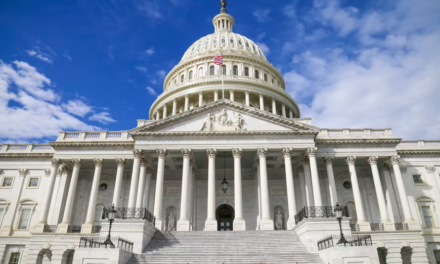
LOS ANGELES, September 13, 2026 – Inside the California State Capitol, the clock is ticking loudly, and Gavin Newsom is feeling the squeeze from his own base.
With just months left in his final term, civil rights organizers and global human rights groups are mounting a desperate, last-ditch campaign. Their demand is simple: commute every single death sentence in California before handing over the keys in January. By converting hundreds of death row sentences into life without parole, Newsom could effectively erase capital punishment in the state for good.
The stakes could hardly be higher.
A blanket clemency order would send shockwaves across the American legal landscape, wiping out more than a quarter of all death row sentences nationwide. But time is rapidly running out.
Newsom isn’t exactly a newcomer to this fight. Back in 2019, he made national headlines by signing a sweeping moratorium on executions and ordering the dismantling of the lethal injection chamber at San Quentin. “I believe the intentional killing of another person is wrong,” his office reiterated recently.
Yet, despite that moratorium, more than 560 people remain parked on California’s death row today.
And that detail keeps reform advocates awake at night. Executive orders aren’t permanent laws. A pro-death penalty governor taking office next year could reinstate executions with a quick flick of a pen, rendering Newsom’s moratorium useless overnight.
Clearing death row isn’t just a political decision—it’s a bureaucratic nightmare. Under California law, the governor can’t unilaterally grant clemency to anyone with multiple felony convictions without approval from the state Supreme Court. That legal hurdle applies to over half of the current death row population.
Political consultants also warn that sweeping commutations could haunt Newsom if he decides to run for higher national office later. Opponents would inevitably splash images of infamous death row inmates across attack ads.
Still, the underlying data exposes a system broken beyond repair. A joint investigation by non-profit news outlets uncovered glaring racial and geographic bias spanning 50 years. For instance, since 1987, a homicide defendant in Riverside County was four times more likely to receive the death penalty than someone committing the same crime next door in Los Angeles County.
The racial disparity is even more appalling: over the past five years, every single person sentenced to death in California has been Black or Latino.
“California’s capital punishment scheme is now, and always has been, infected by racism,” Newsom himself declared when signing landmark state racial justice legislation.
Now, the governor faces a defining moment. He can leave 560 lives hanging in the balance, or he can take a political hit and execute a historic mass commutation. Reform advocates aren’t backing down—and they plan to make sure Newsom feels the heat right up until his last day in office.