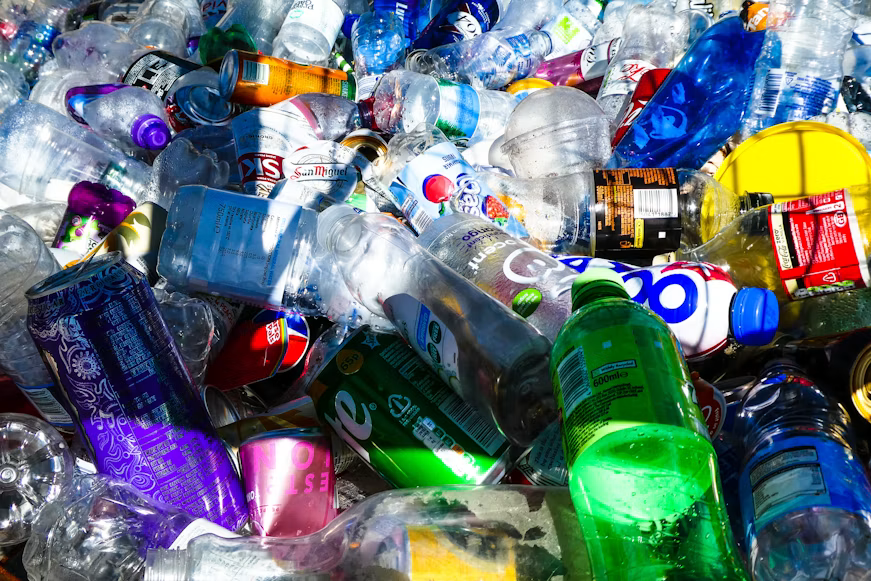
LOS ANGELES, California, October 13, 2026 — Increasingly, sculptors are iterating through useless items as the stars of galleries. Whole shows are now made from found materials — everything from the rubble of former housing to bits of broken glass. According to curators, the movement raises fundamental concerns about consumption and value.
Waste Reimagined as Fine Art
The most recent is its exhibition of ten artists exclusively working with discarded material (a practice blurring the line between critique and pathos), Sequestering’s. It investigates humanity’s reflection on our environmental footprint in the form of large-scale sculptural installations. Curators say the artists are aesthetic scavengers, reclaiming what the world rejects.
Recent months have seen similar exhibitions around the country. One gallery initiative matches artists with recycled pieces of glass, metal and textile. Art education resources published by the Smithsonian Institution explore contemporary artistic movements that incorporate environmental sustainability and found objects. The format, according to organizers, pushes visitors to re-evaluate what constitutes valuable material.
Material as Message
For many of the artists in this movement, the medium is as significant as its final form. Metal sheet sculptors often look to cultural heritage, too, though also industrial pollution. The works that result from the process merge between traditional sculpture and found-object installation.
In fact, textile artists used this similar approach, creating woven works that are made out of plastic waste. Dealing directly with pollution and the legacy of environmental degradation, these pieces of art tend to work on multiple levels. Environmental art criticism archives maintained by the Museum of Modern Art analyze how modern sculptors utilize recycled polymers and industrial waste. It is both arresting in its beauty but also discomforting for the material origin from which it came.
Galleries Embrace the Trend
Small-to-midsize regional galleries report increasing visitor interest for exhibitions related to sustainability. One of the community jobs ordained artists with a mission to renew daily environmental refuse. The organizers said both artists and event-goers were more than they could have expected.
In particular, although they use a curated residency structure. They pair artists emerging in their careers with institutional backing to undertake the types of large-scale projects requiring enormous ambition. These works often tour to different venues following the original exhibition.
A Movement Rooted in Resourcefulness
Curators say that the attraction takes root beyond environmental messaging alone. Reclaimed materials push artists to have real creative problem-solving. They say that constraint frequently yields more creative outcomes than starting with arbitrary facts.
A few exhibitions accompany this work with educational programming geared toward youth. Learn basic sculptural techniques using common recyclable materials in workshops. Community arts engagement programs managed by the National Endowment for the Arts support workshops utilizing recycled materials for youth art education. Organizers say the interactive approach is expected to instill permanent environmental awareness among people who take part.
The visibility of this kind of work continues to proliferate as more institutions dedicate space for it. What started as a niche practice is now a staple on gallery calendars across the U.S. For countless artists, reclaimed materials have outgrown restriction, transforming into an intentional marketing decision.
Collectors Take Notice
Art Collectors Have Started Paying Attention to Sculptural Work Coveting Sustainability Gallery owners say clear environmental narratives lead to stronger sales. This trend has led many artists to formalize their developing reclaimed material practices.
The scale and material complexity will heavily dictate the pricing for all these works. And when large, commodity-scale installations use industrial waste they are often priced more highly than small found-object pieces. Art market analysis reports published by Artnet track valuation trends for contemporary sculptural installations and sustainable art. According to dealers, buyer interest usually echoes an artist’s wider environmental narrative.
The Problem of Using Reclaimed Materials
Artists who work this way often speak of rare technical and logistical challenges. It can be unpredictable to source uniform quantities of certain types of waste. The supply for most of them is dependent on collaborations with recycling companies or industrial salvage businesses.
It also becomes a site for more serious structural engineering issues, where large-scale reclaimed installations are concerned. On the other hand, artists need to guarantee that their content is safeguarded without shrouding it in overly polished and completed finish that may minimize its worth by taking away the authentic lo-fi aesthetic collectors have come to appreciate. Engineering guidance published by the American Society of Civil Engineers outlines structural safety requirements for unconventional large-scale artistic installations. That equilibrium tends to take the help of engineers who are not usually accustomed to traditional fine art practice.
Nevertheless, so many issues have to come into play yet interest in the movement has not waned. Galleries are still programming new exhibitions centering around upcycled and repurposed materials. To many in the art world, this approach feels like a permanent departure rather than a passing fad.