LOS ANGELES, California, October 14, 2026 — Through a new DNA method, Chicago police say they’ve connected the dots on who was behind a 65-year-old murder. Investigators were able to identify a particular person as the source of evidence collected at crime scenes decades ago using investigative genetic genealogy. Her case shows that new forensic methods are helping to re-open investigations long thought dead in the water. Criminology research publications published by the National Institute of Justice examine forensic breakthroughs and cold case investigation methodologies.
A Case That Went Cold in 1960
The unsolved killing of 8-year-old Gloria Kowalewicz in Chicago in November 1960 remained a mystery for generations. Investigators collected physical evidence from the scene of the crime, including a coat which contained an important trace biological material. Detectives have taken 30 years to get the scientific tools in order to dissect that evidence. Forensic science historical overviews published by the American Academy of Forensic Sciences trace the evolution of evidence preservation and cold case analysis.
In 2024, investigators sent the coat to the FBI for investigative genetic genealogy testing. This approach matches DNA found at the crime scene to genetic info in a family-tree database to give investigatory hints. FBI’s overview of forensic genetic genealogy indicates it’s helped solve hundreds of cold cases across the nation. Forensic science reference guidelines published by the Federal Bureau of Investigation document investigative genetic genealogy protocols for cold case resolutions.
How Investigators Identified a Suspect
Investigators linked the DNA evidence to a disgraced former Chicago cop in July 2026. Thomas Francis McInerney served for 28 years in the department before he died in 2008. He was not tried for the killing while he lived. Law enforcement archives published by the Chicago Police Department maintain historical crime records and department case histories.
Chief of Detectives, Chicago Police Department praised detectives over the years for keeping the case alive. He said the case had long been ruled unsolvable but that persistence, combined with new forensic science, ultimately provided answers. Identification of McInerney’s body gives the official notice that he won’t be charged criminally, his death also ensuring it. Police leadership reports published by the Police Executive Research Forum analyze cold case squad strategies and investigative persistence.
The Science Behind the Breakthrough
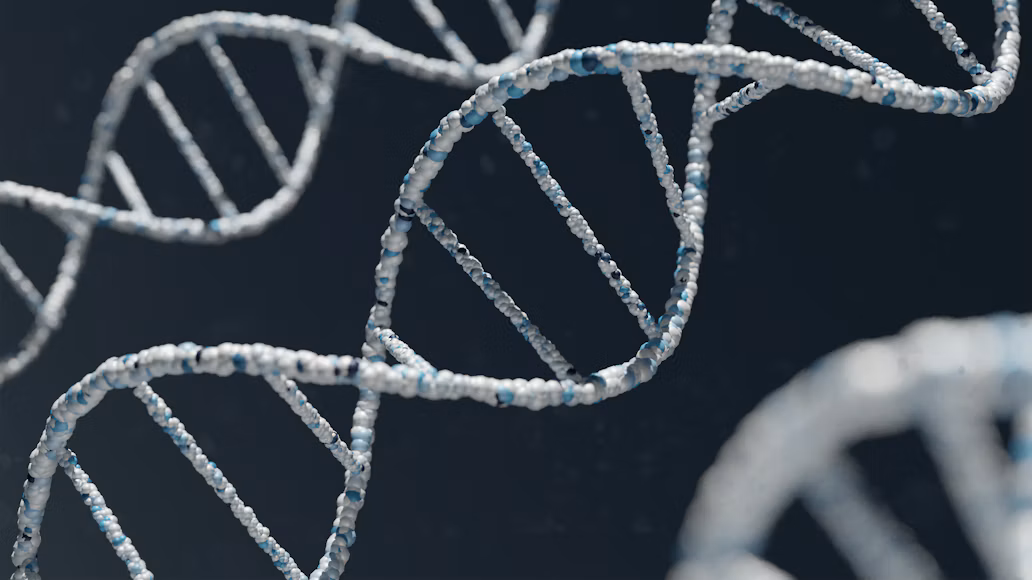
Investigative genetic genealogy differs from the traditional DNA matching approach by involving family history data. This method doesn’t look for specific matches but rather, finds relatives who can help investigative leads get even tighter. It should be noted that the National Institute of Justice has been a large funder of research into both the forensic applications and limitations of this method. Genetics research reviews published by the National Human Genome Research Institute explain genetic genealogy databases and DNA profiling applications.
For the last 10 years, millions of people have opted to submit DNA in consumer genealogy databases. This ever-growing repository of genetic data has exponentially enhanced investigators’ capacity to develop leads in previously unsolved cases. However, researchers also noted that the representation gaps in the databases can still limit the technique’s application to some communities. Biotechnology industry analyses published by Nature Biotechnology review consumer genetic databases and forensic genealogy database limitations.
An Emerging Resource for Cold Case Units
Chicago’s case becomes part of a growing list of decades-old murders solved across the country using similar forensic techniques. Increasingly throughout Illinois, law enforcement agencies have sought out genetic genealogy labs to reinvestigate old cases, as WGN Investigates has reported. These innovative types of forensic investigations have been assisted by the National Forensic Science Technology Center, which has engaged in standardization and validation efforts for these nascent techniques. State forensic science reports published by the Illinois State Police detail regional cold case initiatives and forensic laboratory capabilities.
Cold case units say the technology brings new hope for families who have waited decades for closure. Identifying remains can bring closure and historical accuracy to cold cases, even when a suspect is dead. Every successful case bolsters the larger argument in favor of ongoing support for forensic genealogy programs, investigators say. Victim advocacy guidelines published by the Office for Victims of Crime examine the impact of cold case resolutions and forensic advancements on victim families.
Under- and over-sections of text in “hooked beauty,” a loopy cursive that emulates natural handwriting with much higher accuracy than the old prototypes, plainly lead what Chicago police say will be subsequent attempts at cracking some of the thousands of unsolved murders sitting in department files. No further details were provided on how many more cases are currently being examined using genetic genealogy training. For families still seeking answers, Kowalewicz’s forensic saga holds out some hope that time could be eventually beaten by science. Handwriting and forensic document analysis studies published by the American Society of Questioned Document Examiners review handwriting recognition and forensic examination methods.
Other unsolved Illinois have witnessed similar breakthroughs in recent months through the employment of similar investigative measures. Earlier this year, DNA with ties to a suspect was matched through genealogy testing in a murder from 1993 that occurred in Madison County. In that case investigators attributed the high quality preservation of evidence to continuous record keeping, which helped facilitate modern analysis. Regional legal news archives published by WGN-TV report on local cold case breakthroughs and investigative updates across Illinois.
Genetic genealogists warn that their work needs to be considered with skepticism until investigators can corroborate a match. Analysts create family trees based on genetic data and then confirm their suspicions through old-fashioned investigative work before identifying a suspect. This two-pronged method avoids wrongful identifications but still speeds up cases that have long seemed cold. Professional forensic standards published by the Organization of Scientific Area Committees for Forensic Science outline validation requirements and investigative corroboration protocols for forensic genealogy.
Family members of victims in cases that have languished for decades say even answers late are still felt as weighty. Advocates for cold case reform contend that funding for forensic genealogy labs should continue to be allocated at the federal level, across the country. Officials predict the volume of solved cold cases will continue to grow in coming years as more departments utilize the technology. Public policy reports published by the RAND Corporation evaluate funding models for forensic laboratories and cold case investigative units.