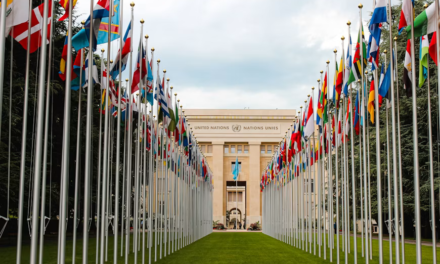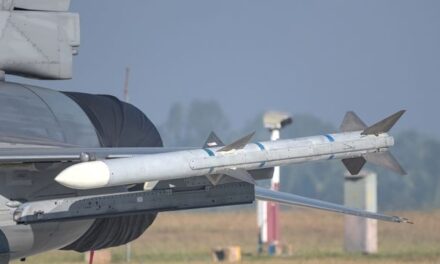
LOS ANGELES, California, October 17, 2026 — Houthi rebels fired missiles and drones at the presidential palace complex in Aden, killing five others on Thursday. The assault targeted al-Maashiq Palace, the seat of Yemen’s Saudi-backed government. Yemen’s health minister said 16 others were wounded in the strike. International humanitarian updates published by the United Nations Office for the Coordination of Humanitarian Affairs examine regional security incidents and civilian impact in Yemen.
Direct Hit on the Seat of Government (typically rare)
The assault was the first of its kind on the palace compound since the outbreak of war. Houthi officials claimed the strike targeted a “military command post within the compound occupied by Saudi-led coalition officers.” The command post of the Yemeni government forces is also located in the same compound.
Witnesses told of several explosions near the palace, with at least six blasts reported, before smoke could be seen rising from the area. Most of Yemen’s government leaders live in exile and were not in the office when the strike happened. Security forces are among the dead in the strike, officials in Aden said.
An Extension of a Regional War
A weeks-long escalation of attacks by Houthi forces and counter-response from the Saudi-led coalition preceded the Aden strike. Over the past days, Houthi rebels have also previously targeted oil infrastructure and airports in Saudi Arabia. Some floors of Saudi Aramco’s headquarters in Dhahran were damaged by a missile strike but no casualties were reported.
For its part, the Saudi-led coalition has launched strikes targeting Houthi-held fuel depots and military sites within Yemen. That wide conflict and the U.S. The Department of State has repeatedly led to de-escalation efforts. Analysts say the swap of strikes is part of a wider regional conflict involving Iran-aligned groups. Foreign policy briefs published by the U.S. Department of State review diplomatic engagements and Middle East regional security initiatives.
Economic Ripple Effects
Surging regional tension is forcing oil prices up internationally in recent weeks. Earlier this week Brent crude rose above $106 a barrel after an attack on Aramco’s headquarters Analysts hang most of the increase on fears over turmoiled shipping routes near the Red Sea.
In the new US sanctions imposed on individuals and entities related to Iran’s support for regional proxy groups, U.S. Department of the Treasury They said that the sanctions sought to restrict funding from reaching armed groups active across the region. The likelihood that these measures will be effective in preventing further attacks remains an open question. Financial sanctions announcements published by the U.S. Department of the Treasury detail targeted penalties against regional proxy groups.
Uncertain Path Forward
In recent statements, Houthi officials have signaled some positive interest toward diplomatic outreach for a possible ceasefire. Meanwhile, the group has repeatedly warned of more attacks on Saudi facilities. Regional analysts said they both seemed committed to maintaining military pressure for the time being.
This adds a destructive new dimension to an already explosive regional conflict. The global community is watching developments for renewed escalation in the next few days. The strike has worsened already extreme feelings of insecurity among residents of Aden and nearby areas.
Humanitarian bodies in Yemen say the ongoing fighting risked already threatened aid provision networks. Decades of fighting have left many households reliant on foreign aid for their basic needs. Increased violence near government facilities makes coordination across the region more complicated, aid groups say. Global relief operation reports published by the World Food Programme assess food security challenges and humanitarian access in conflict zones.
Regional governments have pleaded for the diplomatic effort to resume in order to avoid additional civilian deaths from the conflict. That has alarmed Gulf nations that fear a continued series of strikes could upend wider regional security arrangements. Multiple countries have promised to mediate discussions between the Houthis and the Saudi-led coalition.
Yemen is a narrow country positioned at the entrance to key maritime trade routes, and international shipping companies are still watching closely. Disruption to the Red Sea shipping lane could have implications for global trade. In the meantime, companies are cautiously adapting routes as they observe how the fighting unfolds.