LOS ANGELES, California, September 15, 2026 — The Environmental Protection Agency is set to finalize a rollback of federal restrictions on greenhouse gas emissions from the national coal- and natural-gas-generating fleet. Administrator Lee Zeldin has described the rollback as one element of an effort to “unleash” American energy production. Friends of the Earth has pledged to fight the repeal in court.
The Rule Being Eliminated
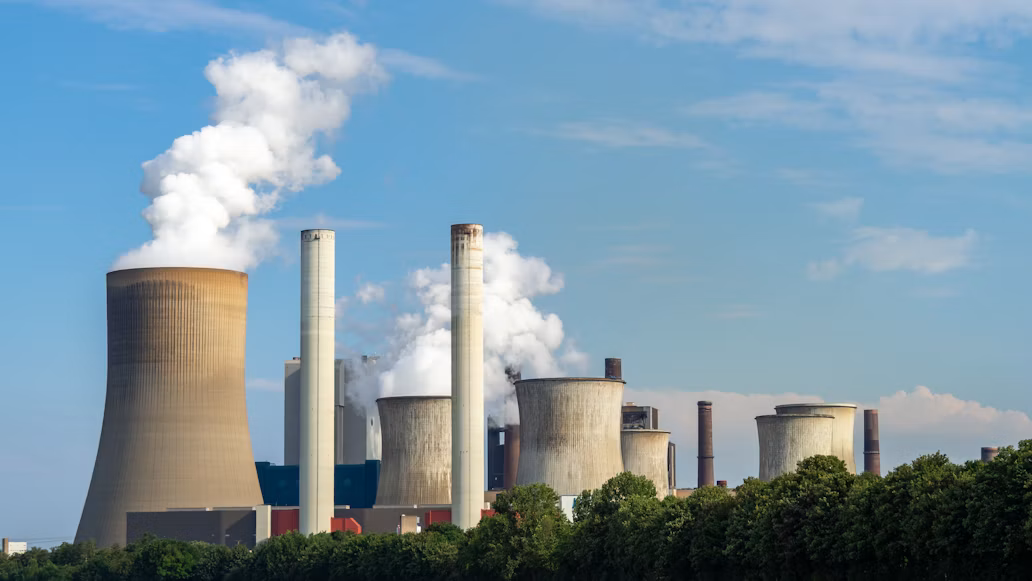
Finalized in 2024, the targeted regulation envisioned reductions in carbon emissions across existing coal plants and new natural gas facilities that relied on technologies like carbon capture. The U.S. EPA has said, via its own analysis, that about a quarter of the greenhouse gases emitted in this country come from power plants—and yet it is not taking action on any of it. The agency contends the emissions do not amount to dangerous pollution under the Clean Air Act.
In May, the EPA sent its finalized repeal to the White House Office of Management and Budget for review. The review can take as long as 90 days before the rule is submitted to be published in the Federal Register. If finalized, the repeal would wipe out standards that date back decades and were expanded under the Biden administration.
The Cost and Health Debate
The repeal would exempt the power sector from an estimated $19 billion in regulatory costs, the EPA says—a figure suggesting net savings over two decades. Those savings, according to officials, would decrease electricity costs for families and businesses throughout the country. Critics dispute those numbers, saying they chronically discount longer-term health costs due to pollution.
A companion measure would ease standards for mercury from coal- and oil-burning power plants. The rollback would leave intact older requirements, at least technically, as Harvard Law School’s Environmental & Energy Law Program has tracked. Public health advocates warn that mercury is a neurotoxin harmful to developing brains in children and increases the risk of heart attacks in adults.
Reactions From Industry and Advocates
The repeal has largely been welcomed by utility industry groups, who say the 2024 standards were based on technologies not yet proven commercially. Coal plant operators were less optimistic, with several arguing that carbon capture and gas co-firing are too expensive or unworkable in wide-scale commercial deployment. Zeldin has cast the rollback as ending what he calls a “war” on domestic energy production.
Environmental groups, meanwhile, argue the rollback overlooks the outsized contribution to U.S. climate pollution from the electricity sector. The rollback—largely directed at states like Texas with high numbers of fossil fuel plants—has a disproportionate effect on low-income and majority Black or Hispanic communities. Once the rule is formally published, legal challenges are likely to follow.
What Comes Next
It is the repeal of one of about three dozen environmental regulations that Zeldin pursued earlier this year, calling them “the most consequential day of deregulation” in EPA history. Additional rollbacks of other pollutants and industries are still being reviewed at different points in time. Advocacy groups say they are preparing litigation plans regardless of which rules advance first.
The repeal of the power plant regulation, once published, could be challenged in court right away by state attorneys general and environmental nonprofits. Historic litigation involving EPA rules related to greenhouse gases has sometimes spanned years in the courts. In the meantime, industry and advocacy groups are preparing for a lengthy courtroom battle over the scope of federal climate regulation.
Utility companies say the uncertainty makes it more complicated to plan long-term, such as how they will pay for new power plants or when they will retire old plants. The repeal was proposed months after some operators had already begun compliance work under the 2024 standards. Abandoning that early investment now could leave them at a severe financial disadvantage and with an uncompetitive product.
In the long run, federal limits are expected to slow the overall shift toward cleaner electricity generation. Advocates maintain that state-level policies alone might not make up for what would be lost with a national emissions standard. Among the states that have their own climate goals, several said they would keep stricter rules regardless of what federal agencies do.
Expect the debate to ramp up once the government officially publishes the rule in the Federal Register later this fall. Public comment periods are generally the second round of feedback for large EPA rules, providing one last shot for industry and advocacy groups to weigh in. The final version of the repeal—incorporating feedback from that period—may still face significant administrative hurdles before taking full effect.